
What Are Intergenerational Activities and Why Are They Meaningful in Assisted Living?
Intergenerational activities bring together seniors and younger generations through shared experiences, conversation, and learning. In assisted living settings in Windber, PA, these activities range from crafting projects and story-sharing to gardening and group games. The purpose is to foster a sense of community, encourage learning across ages, and provide meaningful ways for residents to engage beyond their peer group.
Sharing time and stories with younger people—whether children, teens, or college students—offers older adults emotional and social benefits that differ from interactions with their peers. In the local context, where many families have deep roots and strong traditions, these activities also help weave a tighter community fabric.
How Do Intergenerational Activities Support Mental and Emotional Well-Being?
Meaningful contact with younger generations helps combat loneliness and isolation, which can be especially relevant during colder months or when mobility is limited. Engaging in fun or creative activities with youth often leads to increased laughter, shared memories, and a sense of renewed purpose.
Research shows that assisted living residents who regularly participate in intergenerational programs are more likely to:
- Experience less depression and anxiety
- Feel more optimistic and motivated
- Report greater satisfaction with daily life
In Windber, where family ties and community connections matter, these activities can reinforce residents’ sense of belonging—not just inside their residence, but in the wider community as well.
What Practical Benefits Do Local Residents Notice?
Residents in Windber often find that intergenerational activities create a break in their routine and provide opportunities for new experiences. For many, participation leads to improved mood and memory recall, especially when activities involve music, storytelling, or reminiscence.
Examples of practical, day-to-day benefits include:
- Improved conversation skills, especially with younger family members or visitors
- Opportunities to mentor, share skills, and pass on traditions—from PA Dutch recipes to local history
- Increased motivation for physical movement, such as walking while gardening or playing simple games with children
Because area households often value shared traditions, these programs can also help residents feel they are contributing to the next generation, rather than just receiving care.
What Are Common Activities and How Are They Adapted for Local Preferences?
A variety of formats can suit local interests, weather, and resources:
- Storytelling and oral history workshops—connecting students with elders to capture Windber’s rich history
- Collaborative arts and crafts—especially projects that celebrate seasonal events or local traditions
- Cooking and baking sessions—teaching favorite family recipes to younger helpers
- Outdoor gardening in raised beds—planting or tending flowers and vegetables with children
- Music programs—such as sing-alongs, local folk music, or collaborative performances
Local facilities often adapt these activities to account for weather changes, such as moving gardening projects indoors during late autumn and winter, or focusing on crafts and games suited to small groups. The sense of flexibility helps residents participate comfortably.
Can Intergenerational Activities Improve Physical Health?
While these activities are not a substitute for regular exercise, they often encourage gentle movement that supports balance, dexterity, and mobility. Participating in hands-on crafts, simple gardening, dancing, or group games helps residents stay active in a low-pressure, enjoyable way.
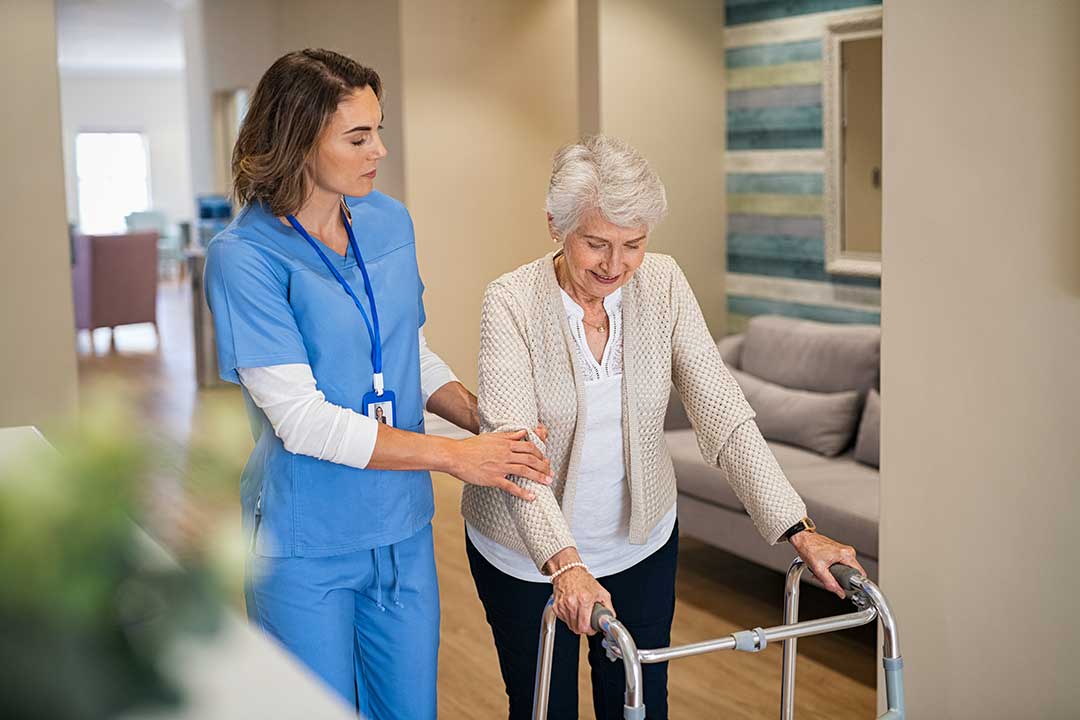
Residents sometimes notice that the motivation to participate increases when activities involve children, as the focus shifts from “getting exercise” to having fun and being helpful.
Are There Misconceptions or Concerns about Intergenerational Programs?
Some residents may worry that these activities will feel staged or awkward. Others may feel self-conscious if they need assistance or feel uncertain about how to relate to young people. In reality, thoughtfully planned programs in Windber often prioritize shared interests, small groups, and respectful facilitation to ensure comfort for all involved.
Some misconceptions include:
- Believing that only extroverts enjoy these interactions. In practice, even quiet residents contribute meaningfully, especially during creative or reflective activities.
- Worrying about generational gaps. Facilitators typically prepare both seniors and youth with background information or conversation prompts to ease introductions.
Flexibility is key: participation is voluntary, and residents can choose the activities and level of engagement that suit them best.
How Do Intergenerational Activities Strengthen Connections in the Community?
Many area families value keeping traditions alive and connecting generations. Intergenerational programs in assisted living settings not only benefit residents, but help local students learn respect for elders and better understand the area’s shared history and culture.
Some local examples include:
- Holiday card exchanges between schoolchildren and residents
- Community garden days where local youth groups visit to help plant or harvest
- Oral history projects, where younger volunteers record residents’ stories for local archives
These collaborations foster multi-generational pride and create positive experiences that resonate throughout the community.
How Can Residents Make the Most of These Opportunities?
Residents are encouraged to share ideas with program coordinators—such as suggesting favorite activities from their own younger days or proposing ways to involve family members. Programs often thrive on resident feedback, allowing for new events or seasonal adjustments based on preferences and abilities.
Trying a range of activities, even for short periods, can reveal new interests, forge friendships, and build confidence.
