
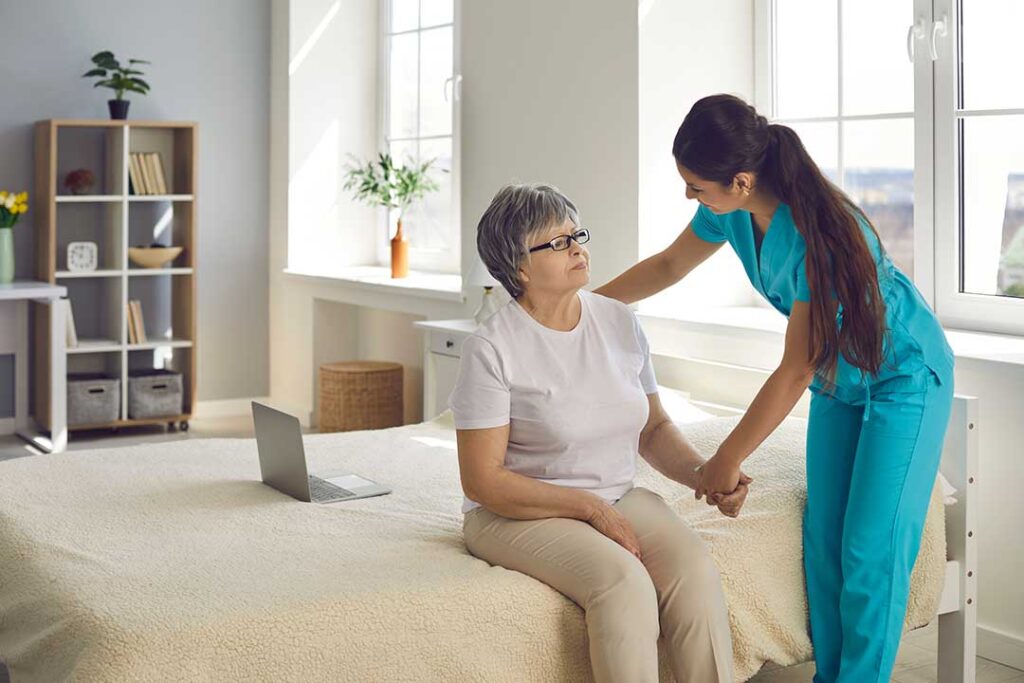
Assisted living safety depends on two connected systems: preventing avoidable injuries and reducing the spread of infection. Residents and families should expect clear procedures for hand hygiene, cleaning, medication safety, emergency response, illness monitoring, and communication.
In Windber, seasonal cold weather, snow, indoor gatherings, and occasional weather-related disruptions can make preparedness especially relevant. A reliable safety program should protect residents without unnecessarily limiting their independence, social connections, or daily routines.
What safety protocols should an assisted living residence have?
A residence should use written procedures that address common risks before an incident occurs. Pennsylvania assisted living regulations and compliance guidance require facilities to protect residents from accidents, injuries, and infection while supporting appropriate care and supervision. ([pa.gov](https://www.pa.gov/agencies/dhs/resources/licensing/pch-alr-licensing/pch-alr-compliance-guides?utm_source=openai))
Core safety protocols commonly include:
- Fall prevention and safe transfer procedures
- Call systems or other methods for requesting help
- Medication storage, administration, and documentation
- Fire drills and emergency evacuation planning
- Safe food handling and kitchen sanitation
- Procedures for missing residents or changes in mental status
- Regular inspection of bathrooms, walkways, handrails, lighting, and mobility equipment
- Plans for power outages, severe weather, water interruptions, and infectious disease outbreaks
Safety measures should be based on each resident’s needs. A person who uses a walker may need a clear route to the dining room, while someone with memory loss may need additional supervision near exits or during nighttime hours.
How are falls prevented?
Fall prevention usually begins with identifying why a resident is at risk. Poor vision, dizziness, medication side effects, weakness, dehydration, loose footwear, clutter, and changes in balance can all contribute.
Practical measures may include:
- Keeping hallways and rooms free of cords, loose rugs, and unnecessary furniture
- Providing adequate lighting, particularly near bathrooms and bedrooms
- Using grab bars and properly positioned handrails
- Checking that walkers, wheelchairs, and canes are in good condition
- Encouraging residents to rise slowly after sitting or lying down
- Reviewing medications when dizziness, sleepiness, or unsteadiness develops
- Offering help with bathing, transfers, or nighttime toileting when indicated
A fall should not be dismissed simply because there is no visible injury. New confusion, headache, unusual sleepiness, pain, or difficulty walking may require prompt medical evaluation. Staff should document the event and review whether the care plan needs to change.
Which infection-control practices matter most?
Hand hygiene is one of the most important daily safeguards. Residents, staff members, visitors, and contractors should clean their hands before eating, after using the bathroom, after coughing or sneezing, and after contact with bodily fluids. Alcohol-based hand sanitizer is useful when hands are not visibly dirty; soap and water are needed when they are visibly soiled and during certain gastrointestinal illnesses.
Environmental cleaning also matters. Frequently touched surfaces—such as door handles, elevator buttons, dining tables, bathroom fixtures, and shared equipment—should be cleaned according to a consistent schedule and with products used as directed. Shared devices should be cleaned between users when appropriate.
Infection prevention also includes safe clinical practices. Blood glucose equipment, needles, wound-care supplies, and medication tools should not be shared in ways that could transfer bloodborne pathogens. Pennsylvania’s assisted living compliance guidance specifically addresses infection-control breaches involving blood glucose monitoring and emphasizes the need for safe procedures. ([uat-content.pwpca.pa.gov](https://uat-content.pwpca.pa.gov/content/dam/copapwp-pagov/en/dhs/documents/licensing/bhsl-licensing/documents/Assisted_Living_Residences-2800_Regulatory_Compliance_Guide_RCG.pdf?utm_source=openai))
How should respiratory illnesses be handled?
A resident with a new cough, sore throat, runny nose, unusual fatigue, vomiting, diarrhea, or a sudden change in behavior should be assessed promptly. Older adults may have an infection without a high fever, and respiratory illness can sometimes appear as weakness, dizziness, confusion, or reduced appetite. ([cdc.gov](https://www.cdc.gov/long-term-care-facilities/hcp/respiratory-virus-toolkit/?utm_source=openai))
A residence may respond by:
- Separating a symptomatic resident from crowded activities when appropriate
- Offering a mask for source control if the resident can safely wear one
- Increasing ventilation and spacing during meals or group programs
- Testing when recommended for the suspected illness
- Using appropriate personal protective equipment
- Monitoring symptoms and hydration
- Notifying family members or designated contacts according to facility policy
- Following public-health guidance for reporting and outbreak control
Pennsylvania guidance states that respiratory outbreaks in long-term care settings should be reported to the local health jurisdiction within 24 hours rather than waiting until the outbreak is over. ([pa.gov](https://www.pa.gov/agencies/health/diseases-conditions/infectious-disease/respiratory-viruses/flu/ltcf?utm_source=openai))
Restrictions should be proportional to the risk. Infection control is not meant to eliminate all social contact. Residents should continue receiving needed assistance, emotional support, safe outdoor time, and meaningful activities whenever possible.
What should residents and visitors know about vaccines?
Vaccination can reduce the risk of severe illness from influenza, COVID-19, RSV, and other preventable infections. Recommendations depend on age, health conditions, prior vaccinations, and current public-health guidance. The CDC advises that older adults and medically vulnerable people face greater risks from respiratory infections, including RSV. ([cdc.gov](https://www.cdc.gov/long-term-care-facilities/hcp/respiratory-virus-toolkit/?utm_source=openai))
Residents and families can ask:
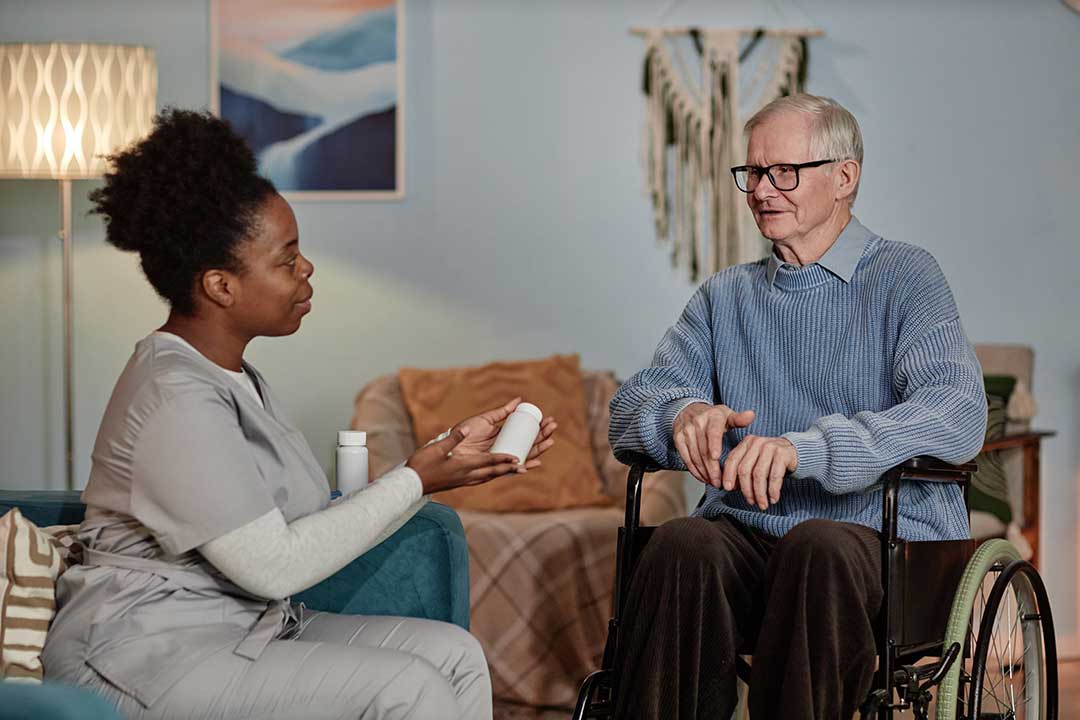
- Which vaccines are recommended for the resident?
- How are consent and documentation handled?
- What happens if a resident develops symptoms after vaccination?
- How are visitors informed during an outbreak?
- Are staff members educated about current respiratory-virus precautions?
Vaccination does not replace hand hygiene, ventilation, cleaning, staying home when ill, or early symptom reporting. It is one part of a broader prevention plan.
How can assisted living facilities prepare for winter and emergencies?
Winter conditions in the area can affect transportation, staffing, deliveries, heating, and access to medical appointments. A sound emergency plan should identify backup arrangements for medications, food, drinking water, oxygen or other essential equipment, communication, transportation, and staffing.
Residents and families may reasonably ask whether the residence has:
- Emergency power for essential systems
- A plan for extended heating or electrical interruptions
- Procedures for icy walkways and snow removal
- Backup communication with families
- Adequate supplies of gloves, masks, sanitizer, cleaning materials, and medications
- A process for maintaining care if some staff cannot travel
- Plans for relocating residents if part of the building becomes unsafe
Pennsylvania emergency-preparedness resources recognize that severe weather and infectious outbreaks can disrupt power, water, food, medical supplies, transportation, and communication. ([patientsafety.pa.gov](https://patientsafety.pa.gov/pst/Pages/Emergency%20Preparedness/hm.aspx?utm_source=openai))
What should families report immediately?
Families should tell staff about new falls, fever, cough, vomiting, diarrhea, skin changes, worsening confusion, unusual sleepiness, poor fluid intake, or a noticeable decline in walking or eating. A resident’s normal pattern is often the most useful comparison.
Questions about safety can be specific rather than confrontational:
- What changes should prompt a call to the family?
- How are suspected infections documented?
- How are shared spaces cleaned during an outbreak?
- What is the process for reviewing a fall?
- How are care plans updated after a change in condition?
- What emergency information should remain current?
Pennsylvania requires long-term care facilities to develop and implement facility-specific infection-control plans. That means infection prevention should be organized, documented, and adapted to the residence rather than handled only after an outbreak begins. ([pa.gov](https://www.pa.gov/agencies/health/healthcare-and-public-health-professionals/haip/infection-control-plan-submission?utm_source=openai))
A safe assisted living environment combines routine prevention with quick response. Clean hands, careful observation, secure medication practices, clear walkways, seasonal planning, and respectful communication all help residents remain safer while preserving dignity and independence.
