

What Causes Conflict in Assisted Living?
Disagreements and tension among residents or between residents and staff can arise in any shared living arrangement. In assisted living communities, sources of conflict often include differences in routines, noise levels, privacy needs, meal preferences, and misunderstandings about shared spaces. Changes in health or cognition can also affect how individuals communicate, sometimes making misinterpretation more likely.
Common triggers include:
- Shared bathrooms or kitchens not being kept up to everyone's standards
- Loud televisions or radios in neighboring rooms
- Disagreements during recreational activities or group meetings
- Misunderstandings about schedules, visitors, or personal boundaries
Recognizing these situations early can help prevent small problems from escalating.
How Can Residents Address Conflicts With Each Other?
Starting with a respectful conversation often prevents issues from growing worse. Residents may worry about making the situation uncomfortable, but open and polite communication usually leads to better understanding.
Some practical tips include:
- Speak directly to the person involved rather than talking to others about the issue
- Use “I” statements (for example, “I feel frustrated when the TV is loud late at night”)
- Stay calm and avoid raising your voice
- Try to listen to the other person’s perspective without interrupting
If emotions are running high, it can help to take a short break and try again later. Many in the community find that talking during a walk outside, or over a cup of tea in a common area, allows for a more relaxed conversation than standing in a hallway.
What Role Should Staff Play in Resolving Issues?
Staff in assisted living settings are trained to support residents in resolving disagreements. Residents should feel comfortable asking for help if a situation becomes uncomfortable, feels unsafe, or can’t be worked out privately.
Staff can:
- Offer to facilitate a calm, private discussion between residents
- Clarify the community’s guidelines on quiet hours, shared spaces, or visitor rules
- Make adjustments to rooming assignments or dining arrangements if needed
- Follow up to make sure solutions are working
It’s best to bring concerns to staff promptly rather than waiting until frustration builds. Staff aren’t taking sides—they aim to support a peaceful community for everyone.
When Should Families Be Involved?
Family members don’t need to be part of every small disagreement, but they can offer helpful support if a conflict affects a resident’s well-being, sense of safety, or willingness to participate in activities. Sometimes, family can help clarify habits or preferences if a resident has difficulty expressing these due to memory changes or health challenges.
A few important points:
- Families may help explain why certain habits are meaningful to a resident
- In cases of repeated misunderstandings, a group meeting with family, resident, and staff can be useful
- If a situation seems to threaten a resident’s dignity or safety, families should always be informed
How Does Assisted Living Structure Support Peaceful Living?
Most assisted living communities in Windber use shared activity rooms, dining halls, and outdoor spaces, creating opportunities for connection and sometimes—naturally—disagreement. Community guidelines are designed to balance group living with individual routines.
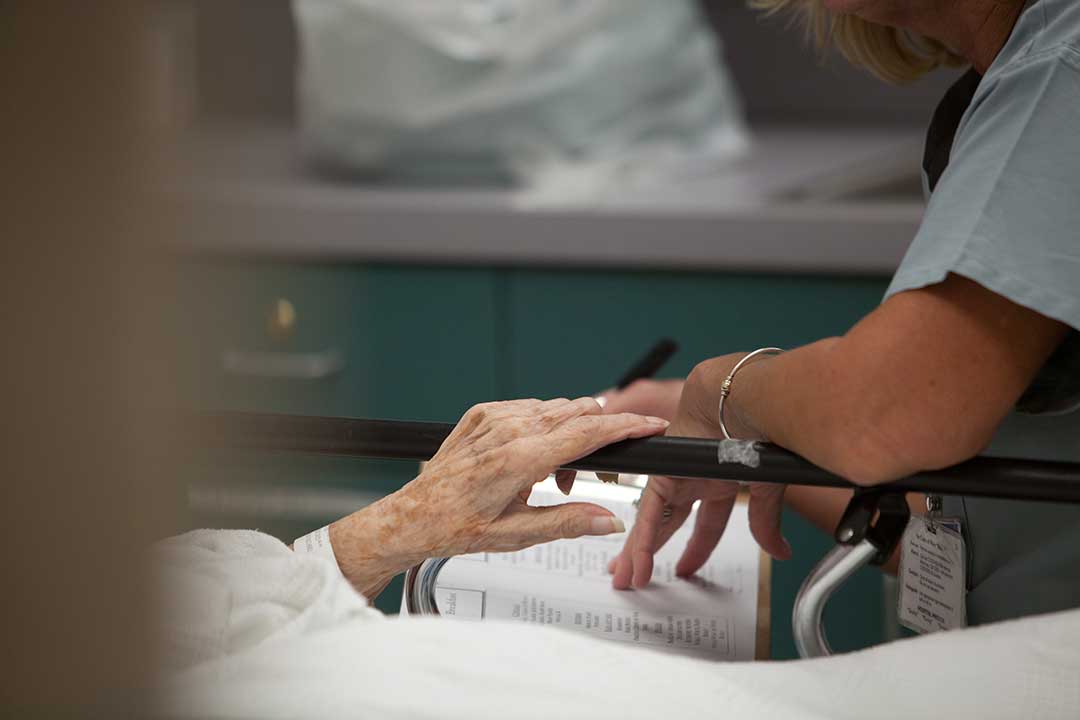
Key structures that help:
- Quiet hours for rest and privacy
- Scheduled times for shared areas to avoid overcrowding
- Regular resident meetings where concerns can be raised respectfully
- Access to private or semi-private living spaces for downtime
In a smaller city like Windber, residents may already know or recognize neighbors, which can help with trust-building but also sometimes carry old disagreements into a new setting. Understanding how the specific building is operated and being open with staff about preferences can reduce the risk of friction.
What Should Be Done If a Situation Escalates?
If arguments become heated or someone feels threatened—emotionally or physically—immediate support is necessary. Residents should seek staff assistance right away in these cases. While rare, such escalation can happen even in supportive settings due to stress, illness, or misunderstandings.
Steps to manage escalation:
- Move away from the conflict and seek a staff member or trusted neighbor
- Describe what happened calmly and specifically
- Allow staff to follow the protocols in place for maintaining safety and harmony
Assisted living facilities in the area are guided by state regulations, which include provisions for both safety and residents’ rights. Staff are required to report and address situations that could endanger well-being.
Can Residents Prepare Themselves to Avoid Future Conflicts?
A bit of self-awareness and communication practice can make community living easier. Being clear about one’s own boundaries, needs, and tolerance levels helps set expectations from the start.
Simple strategies include:
- Introducing oneself to neighbors early and openly discussing preferences
- Using calendars or reminders to keep track of quiet hours, meal times, or group activities
- Requesting accommodations early—such as a fan for noise or arranging seating preferences for meals
Residents who are actively engaged in group events and discussions often feel more connected and better able to manage minor frustrations. Patience is crucial—everyone in assisted living is adapting to new routines, and misunderstandings can be a normal part of settling in.
