
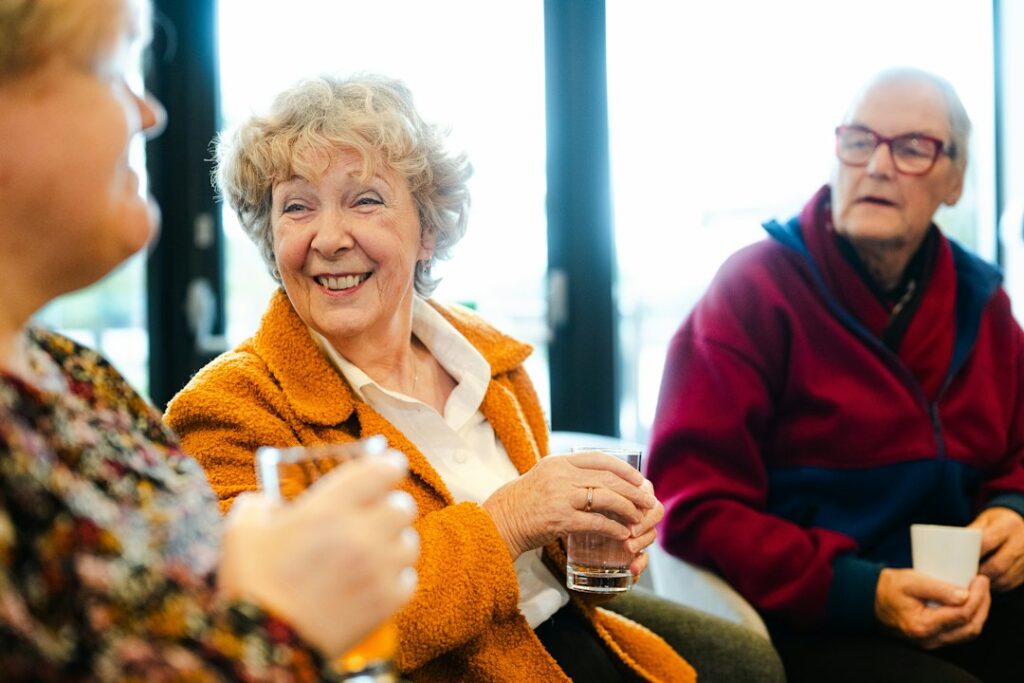
Loneliness can affect people in assisted living even when they are surrounded by others. A resident may attend meals, live near neighbors, and speak with staff every day while still feeling disconnected, overlooked, or unsure of how to form meaningful relationships.
In Windber, PA, seasonal weather, transportation limits, health changes, and distance from family may influence how often residents see people they know. Managing loneliness usually requires more than adding activities to a calendar. It involves creating regular opportunities for conversation, purpose, familiarity, and emotional support.
What does loneliness look like in assisted living?
Loneliness is the painful feeling of lacking meaningful connection. It is different from simply being alone. Some residents enjoy quiet time and feel content, while others may feel lonely in a crowded dining room or activity area.
Possible signs include:
- Spending most of the day in the apartment or room
- Skipping meals or group programs that were once enjoyable
- Becoming unusually quiet, irritable, anxious, or tearful
- Frequently talking about deceased friends, past routines, or missing family
- Losing interest in hobbies, personal care, or daily decisions
- Calling or asking for family repeatedly
- Saying that nobody understands, notices, or needs them
These changes do not always mean loneliness is the only concern. Pain, hearing loss, medication effects, depression, dementia, fatigue, and illness can also affect behavior. A noticeable or persistent change should be shared with appropriate care staff or a healthcare professional so possible causes can be considered.
Why can loneliness happen after a move?
Moving into assisted living often involves several losses at once. A resident may leave a familiar home, neighborhood, yard, church routine, pets, nearby friends, and responsibilities that gave structure to the day.
Even a move chosen for safety or convenience can bring grief. Residents may also worry about losing independence or being judged by others. Difficulty hearing conversations, walking long distances, remembering names, or joining an established social group can make connection harder.
Family members sometimes assume that regular visits solve the problem. Visits can help, but loneliness may return after the family leaves. Ongoing connection is more likely when residents have predictable contact, meaningful roles, and relationships that continue between visits.
How can residents make social connection easier?
Starting a conversation is often harder than it appears, especially for someone who is shy, grieving, or adjusting to a new setting. Smaller, repeated interactions are usually more comfortable than large social events.
A resident might begin by:
- Sitting near the same people at meals
- Asking another resident about a photograph, hobby, or hometown
- Joining a familiar activity for only part of the session
- Offering to help arrange materials, water plants, fold napkins, or welcome a new resident
- Attending a discussion, craft, exercise period, or music program regularly
- Inviting one neighbor to share coffee, a card game, or a short conversation
- Telling staff which activities feel comfortable and which feel overwhelming
Friendships often develop through repetition rather than a single successful conversation. Seeing the same people at breakfast, during an exercise period, or in a shared lounge can gradually create recognition and trust.
What if group activities feel uncomfortable?
Group programs are not suitable for everyone. A crowded room, loud music, fast conversation, or unfamiliar rules may cause a resident to withdraw. Avoiding large events does not mean the resident does not want companionship.
More comfortable alternatives may include:
- One-to-one visits
- Small discussion groups
- Quiet reading or puzzle sessions
- Short walks with another person
- Listening to music together
- Looking through family photographs
- Helping with a simple shared task
- Video or telephone conversations with support
Staff can often help match a resident with a quieter activity or a compatible conversation partner. The goal is not to force participation. The goal is to find a setting where the resident can feel safe, recognized, and included.
How can family members help from a distance?
Family connection is most useful when it is dependable and personal. A brief, scheduled call may be more reassuring than occasional long conversations that are difficult to predict.

Helpful approaches include:
- Calling on the same days and times when possible
- Asking specific questions instead of only saying, “How was your day?”
- Discussing familiar topics such as recipes, sports, family stories, music, or seasonal changes
- Sending labeled photographs, handwritten notes, drawings, or a small memory box
- Celebrating ordinary events, not only birthdays and holidays
- Sharing updates about family members so the resident remains part of household life
- Arranging visits at times when the resident is usually alert and comfortable
Some residents may have difficulty using phones or video calls because of hearing, vision, memory, or hand-movement limitations. A larger device, written instructions, headphones, or staff assistance may make communication less frustrating.
During colder months or periods of snow and ice, in-person visits may be harder for families who live farther away. A consistent backup plan for calls, letters, or brief messages can help maintain connection when travel is limited.
Can meaningful activity reduce loneliness?
Purposeful activity can reduce the sense of being forgotten or unnecessary. The activity does not need to be complicated. It should connect with the resident’s abilities, interests, history, or values.
Examples include caring for indoor plants, organizing photographs, helping choose music, folding towels, writing family recipes, mentoring another resident, reading aloud, or participating in a faith or cultural practice. A former cook may enjoy discussing meals. Someone who worked with tools may prefer a hands-on project. A lifelong caregiver may appreciate opportunities to help others in appropriate ways.
Activities should respect physical and cognitive limits. Success is more important than performance. A resident who completes one small task, shares a story, or makes a choice has still participated meaningfully.
What should residents do if loneliness continues?
Persistent loneliness deserves attention, especially if it is accompanied by sadness, hopelessness, sleep changes, appetite loss, confusion, or thoughts of self-harm. Residents should tell a trusted staff member, family member, nurse, social worker, physician, or mental health professional.
It may help to describe the pattern clearly:
- “I feel alone most afternoons.”
- “I attend activities, but I do not feel connected.”
- “I have stopped enjoying things I used to like.”
- “I am worried about being forgotten.”
- “I want company but do not know how to join in.”
A care plan may need to address hearing support, mobility, transportation, grief, depression, medication concerns, communication barriers, or opportunities for individual visits. Loneliness should not be dismissed as an unavoidable part of aging.
How can assisted living communities create belonging?
A welcoming environment makes social connection easier when it offers more than a full activity calendar. Residents benefit from introductions, small-group options, quiet spaces, flexible schedules, accessible transportation planning, and staff who remember personal details.
New residents may need help learning where to sit, how to join an activity, or whom to ask for assistance. Staff and family members can support inclusion by introducing people with shared interests and following up after the first meeting.
Belonging develops when residents are known as individuals rather than treated as a group. A favorite song, former occupation, family tradition, or daily preference can provide a starting point for respectful conversation and lasting connection.
